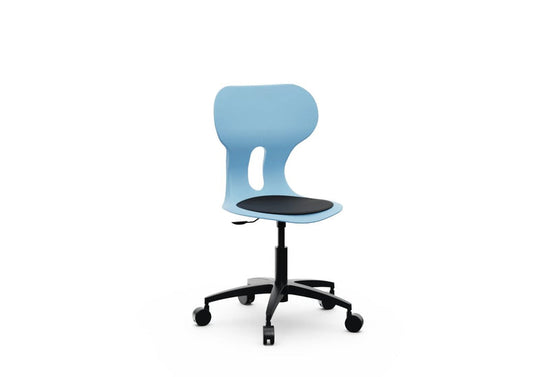
How to Write an Office Furniture RFP
A step-by-step office furniture RFP guide with a free template — the eight sections that get accurate, comparable bids. Download free.
Library Design Trends for Canadian Schools and Learning Centres
How Modern Libraries Are Becoming the Heart of Learning, Collaboration, and Innovation For generations, school libraries were primarily viewed as places for books, quiet reading, and independent research. Today, however, educational institutions across Canada are reimagining what a library can be. Modern libraries are evolving into dynamic learning environments that support collaboration, creativity, digital literacy, research, community engagement, and student well-being. Increasingly referred to as Library Learning Commons (LLCs), these spaces serve as flexible hubs where students, educators, and communities can gather, learn, and create together. This shift reflects broader changes in education itself. As teaching methods become more collaborative and technology-enabled, learning environments must adapt accordingly. For educational institutions planning renovations, expansions, or new facilities, understanding current library design trends can help ensure spaces remain relevant, functional, and inspiring for years to come. The Evolution of the School Library One of the most significant developments in Canadian education has been the transformation of traditional school libraries into Library Learning Commons. According to Canadian School Libraries (CSL), Learning Commons approaches are designed to create collaborative, flexible, and learner-centered environments that support creativity, inquiry, critical thinking, and knowledge-building (Canadian School Libraries, 2024a). Rather than functioning solely as repositories for books, modern libraries are increasingly becoming active centres for learning throughout the school community. Canadian educational organizations describe the modern Learning Commons as a space where students can engage in research, collaborative projects, technology-enhanced learning, and interdisciplinary exploration (Canadian School Libraries, 2024b). The library is no longer simply a destination. It is becoming a learning ecosystem. Trend #1: From Libraries to Learning Commons Across Canada, educational institutions are increasingly adopting the Learning Commons model. The Learning Commons philosophy emphasizes: Collaboration Flexibility Inquiry-based learning Student engagement Technology integration Community participation Canadian School Libraries notes that Learning Commons environments are designed to support diverse learning experiences while encouraging creativity, innovation, and active participation (Canadian School Libraries, 2024b). As a result, many libraries now include: Collaborative work areas Technology stations Presentation spaces Flexible seating Group study zones Quiet reflection areas This trend reflects a broader shift toward learner-centered educational environments. Trend #2: Flexible Layouts That Adapt Throughout the Day Flexibility has become one of the most important characteristics of modern library design. Educational spaces today often support multiple activities simultaneously: Independent reading Research projects Small-group collaboration Classroom instruction Community events Technology-based learning Fixed layouts can limit these functions. As a result, many educational institutions are adopting: Mobile furniture Modular seating Flexible shelving systems Reconfigurable study areas Movable partitions Flexible layouts allow libraries to adapt throughout the day without requiring major changes to the physical space. According to Leading Learning: Standards of Practice for School Library Learning Commons in Canada, learning environments should remain responsive to the evolving needs of learners and educators (Canadian School Libraries, 2024c). Trend #3: Collaboration-Centered Design Modern educational philosophies increasingly emphasize collaboration as a critical skill. As a result, libraries are being designed to facilitate interaction rather than simply accommodate individual study. Common design features include: Group work tables Collaborative technology stations Shared project spaces Informal meeting areas Flexible discussion zones Canadian School Libraries highlights the importance of participatory learning environments that encourage collaboration, creativity, and interdisciplinary learning (Canadian School Libraries, 2024b). The modern library is becoming a place where students build knowledge together. Trend #4: Acoustic Zoning for Different Learning Styles As libraries become more active and collaborative, acoustics have become increasingly important. Students use libraries in different ways: Quiet reading Focused research Group discussions Multimedia projects Presentations Without proper acoustic planning, these activities can conflict with one another. Modern library design increasingly incorporates acoustic zoning strategies such as: Acoustic wall panels Sound-absorbing ceiling systems Privacy screens Soft furnishings Dedicated quiet areas Research from the National Research Council Canada has shown that acoustic conditions significantly influence speech intelligibility and learning effectiveness (Yang & Bradley, 2009). Creating zones with varying acoustic characteristics allows libraries to support multiple activities simultaneously while maintaining comfort and functionality. Trend #5: Technology Integration Without Sacrificing Human Connection Technology continues to reshape education. Today's libraries often support: Digital research Online collaboration Multimedia production Virtual learning Device charging Interactive learning tools However, successful library design balances technology with human interaction. Canadian educational researchers increasingly emphasize that Learning Commons environments should support both digital engagement and collaborative community experiences (Canadian School Libraries, 2024a). The goal is not to create technology centres. The goal is to create learning environments where technology supports meaningful educational experiences. Trend #6: Purposeful Shelving Systems Books remain an essential part of educational environments. However, shelving systems are evolving. Modern libraries often use shelving that supports: Visibility Accessibility Flexibility Wayfinding Space efficiency Rather than creating barriers within a room, shelving systems increasingly contribute to an open and welcoming environment. Modular shelving can also help libraries adapt as collections, technologies, and learning priorities change over time. Trend #7: Student Well-Being and Belonging Educational institutions increasingly recognize that physical environments influence student well-being. Library design now frequently considers: Comfort Inclusivity Accessibility Psychological safety Sense of belonging Canadian School Libraries identifies Learning Commons as spaces that support intellectual, cultural, and personal growth while fostering equitable access to resources and learning opportunities (Canadian School Libraries, 2024b). Comfortable seating, natural light, inclusive layouts, and welcoming collaborative spaces all contribute to a positive educational experience. Trend #8: Multi-Purpose Community Spaces Many educational institutions are designing libraries that serve broader community functions. Libraries increasingly host: Workshops Presentations Parent engagement events Community meetings Professional development sessions Student showcases This requires spaces that can easily transition between different uses. Flexible furniture, mobile storage systems, adaptable seating arrangements, and movable acoustic solutions help support these evolving functions. What This Means for Educational Planning The modern school library is no longer defined by a single purpose. Instead, it serves as a flexible, collaborative, and technology-enabled environment that supports a wide range of educational activities. Successful library planning often requires consideration of: Learning objectives Accessibility requirements Furniture systems Shelving solutions Acoustic performance Technology integration Future adaptability Organizations involved in educational environment planning increasingly recognize that these elements must work together to create effective learning spaces. For example, INSPERA's work in educational environments aligns closely with many of the trends discussed throughout this article. Through solutions that may include shelving systems, collaborative furniture, cabinetry, acoustic treatments, mobile storage, and integrated educational interiors, the focus remains on helping institutions create environments that support evolving learning needs while maintaining flexibility, accessibility, and long-term functionality. Rather than viewing libraries as standalone rooms, this approach reflects the growing understanding that libraries are central components of the overall learning experience. Looking Ahead Canadian school libraries continue to evolve alongside education itself. The future library is not defined by bookshelves alone. It is defined by its ability to support collaboration, inquiry, creativity, technology, accessibility, and lifelong learning. As educational institutions plan for the future, investing in adaptable and learner-centered library environments can help create spaces that remain relevant for decades to come. The most successful libraries will not simply store information. They will inspire discovery. Glossary Library Learning Commons (LLC): A learner-centered educational environment that combines physical and digital resources to support collaboration, inquiry, creativity, and knowledge-building. Flexible Learning Space: An environment that can be easily adapted to support multiple educational activities and teaching approaches. Acoustic Zoning: The strategic organization of spaces and sound-control measures to accommodate different activities within the same environment. Collaborative Learning: An educational approach in which students work together to solve problems, complete projects, and build knowledge. Modular Shelving: Shelving systems designed to be reconfigured, expanded, or adapted as needs change. Learning Ecosystem: An interconnected educational environment where multiple learning experiences, resources, and interactions occur. Speech Intelligibility: The degree to which spoken communication can be clearly understood within a space. References Canadian School Libraries. (2024a). Leading the way with the Library Learning Commons. Retrieved from: https://www.canadianschoollibraries.ca/leading-the-way/ Canadian School Libraries. (2024b). Excellent school libraries: Learning for the future. Retrieved from: https://www.canadianschoollibraries.ca/excellent-school-libraries/ Canadian School Libraries. (2024c). About Leading Learning: Standards of Practice for School Library Learning Commons in Canada. Retrieved from: https://llsop.canadianschoollibraries.ca/about/ Canadian School Libraries. (2024d). Transforming school libraries to learning commons. Retrieved from: https://llsop.canadianschoollibraries.ca/transforming-school-libraries/ Canadian School Libraries. (2024e). About Canadian School Libraries. Retrieved from: https://www.canadianschoollibraries.ca/about/ Infrastructure Canada. (2023). Community and infrastructure planning resources. Retrieved from: https://www.infrastructure.gc.ca Organisation for Economic Co-operation and Development (OECD). (2017). The OECD handbook for innovative learning environments. Retrieved from: https://www.oecd.org/education/the-oecd-handbook-for-innovative-learning-environments-9789264277274-en.htm National Research Council Canada. (2020). National Building Code of Canada 2020. Retrieved from: https://nrc.canada.ca/en/certifications-evaluations-standards/codes-canada/publications-codes-canada/national-building-code-canada-2020 National Research Council Canada. (2024). Codes Canada Resource Centre. Retrieved from: https://codes-guides.nrc-cnrc.gc.ca Yang, W., & Bradley, J. S. (2009). Effects of room acoustics on the intelligibility of speech in classrooms. National Research Council Canada. Retrieved from: https://publications-cnrc.canada.ca/eng/view/object/?id=223617b1-bcd3-4df3-aa20-e044b4c43f9c UNESCO. (2021). Reimagining our futures together: A new social contract for education. Retrieved from: https://unesdoc.unesco.org/ark:/48223/pf0000379707
CSA Certification Explained: What Educational Institutions Should Look for Before Purchasing Furniture
Why Compliance, Safety, and Long-Term Performance Matter More Than Price Alone When educational institutions purchase furniture, the decision is often influenced by budget, aesthetics, timelines, and immediate operational needs[cite: 1]. While these factors are important, one critical consideration is frequently overlooked: compliance with recognized safety and performance standards[cite: 1]. In Canada, the Canadian Standards Association (CSA Group) plays a significant role in developing standards that help ensure products, environments, and systems meet established requirements for safety, accessibility, durability, and performance[cite: 1]. For schools, colleges, universities, libraries, and public institutions, understanding how standards influence furniture procurement can help decision-makers make more informed investments that support students, educators, and facility operations over the long term[cite: 1]. The reality is that educational furniture is not simply a purchase—it is part of the learning environment[cite: 1]. The quality, safety, and performance of furniture systems can influence everything from classroom functionality to accessibility, maintenance costs, and occupant well-being[cite: 1]. Before selecting desks, tables, storage systems, shelving, seating, or collaborative furniture, institutions should understand what compliance means and why it matters[cite: 1]. What Is CSA Group? CSA Group is a standards development organization accredited by the Standards Council of Canada[cite: 1]. It develops standards and certification programs across a wide range of industries, including construction, accessibility, occupational health and safety, electrical systems, and the built environment[cite: 1]. CSA standards are developed through committees composed of subject matter experts, regulators, manufacturers, users, and industry stakeholders[cite: 1]. The goal is to establish consistent benchmarks that help improve safety, quality, and reliability[cite: 1]. For educational institutions, these standards can provide valuable guidance when evaluating furniture and interior environment products[cite: 1]. Why Standards Matter in Educational Environments Educational facilities experience intense daily use[cite: 1]. Classrooms, libraries, student commons, auditoriums, and collaborative spaces often accommodate hundreds or thousands of occupants throughout a school year[cite: 1]. Furniture used in these environments must withstand: Frequent movement[cite: 1] Continuous occupancy[cite: 1] Daily wear and tear[cite: 1] Cleaning and maintenance procedures[cite: 1] Changing learning configurations[cite: 1] Long-term operational demands[cite: 1] Without appropriate standards, institutions may face increased maintenance costs, premature replacement cycles, safety concerns, and inconsistent performance[cite: 1]. Procurement decisions based solely on initial purchase price can sometimes result in higher lifecycle costs over time[cite: 1]. Government procurement frameworks increasingly encourage organizations to consider overall value rather than simply selecting the lowest-cost option[cite: 1]. Understanding the Difference Between Certification and Compliance One area that often causes confusion is the distinction between certification and compliance[cite: 1]. Certification generally refers to a product being independently evaluated against a recognized standard by an accredited organization[cite: 1]. Compliance refers to meeting the requirements established by applicable standards, regulations, or specifications[cite: 1]. Not every furniture product will carry a CSA certification mark[cite: 1]. However, educational institutions should still evaluate whether products align with recognized standards for: Safety[cite: 1] Accessibility[cite: 1] Durability[cite: 1] Material performance[cite: 1] Structural integrity[cite: 1] Ergonomics[cite: 1] The key question is not simply whether a product carries a label, but whether it has been designed and tested to perform reliably in an institutional environment[cite: 1]. Accessibility Should Be a Procurement Priority Accessibility is one of the most important considerations when selecting educational furniture[cite: 1]. The Accessible Canada Act aims to identify, remove, and prevent barriers while promoting accessibility throughout Canadian society[cite: 1]. The CSA B651 standard, Accessible Design for the Built Environment, provides guidance that can influence educational facility planning and furniture selection[cite: 1]. When evaluating furniture, institutions should consider: Adjustable work surfaces[cite: 1] Accessible seating options[cite: 1] Appropriate clearances[cite: 1] Reachable storage systems[cite: 1] Flexible learning configurations[cite: 1] Barrier-free circulation routes[cite: 1] Accessibility is no longer viewed as a specialized accommodation[cite: 1]. Increasingly, it is considered a core component of good educational design[cite: 1]. Durability Is a Financial Decision Educational furniture often remains in service for many years[cite: 1]. As a result, durability should be viewed as a financial consideration as much as an operational one[cite: 1]. Questions institutions should ask include: How long is the expected product lifespan?[cite: 1] Can components be repaired or replaced?[cite: 1] Has the product been tested for institutional use?[cite: 1] How will materials perform under daily wear?[cite: 1] What maintenance requirements should be expected?[cite: 1] According to Public Services and Procurement Canada, lifecycle considerations play an important role in responsible procurement decisions[cite: 1]. The lowest purchase price does not always represent the best long-term value[cite: 1]. Furniture and Student Well-Being Furniture influences more than functionality[cite: 1]. Research increasingly suggests that physical learning environments can affect comfort, engagement, collaboration, and educational outcomes[cite: 1]. Factors such as: Ergonomics[cite: 1] Flexibility[cite: 1] Accessibility[cite: 1] Space utilization[cite: 1] User comfort[cite: 1] all contribute to how effectively a space supports learning[cite: 1]. Modern educational facilities often seek furniture systems that can adapt to multiple learning modes, including individual study, group collaboration, presentations, and project-based learning[cite: 1]. The furniture itself becomes part of the educational strategy[cite: 1]. Looking Beyond Individual Products One common procurement challenge is evaluating furniture as individual items rather than as components of a larger environment[cite: 1]. A classroom, library, or student commons functions as an interconnected system[cite: 1]. Furniture decisions influence: Circulation routes[cite: 1] Accessibility[cite: 1] Acoustics[cite: 1] Storage capacity[cite: 1] Collaboration opportunities[cite: 1] Space flexibility[cite: 1] For this reason, many educational institutions increasingly evaluate furnishings within the broader context of educational environment planning[cite: 1]. The goal is not simply to purchase desks or storage units—it is to create environments that support learning objectives[cite: 1]. Questions Educational Institutions Should Ask Before Purchasing Furniture Before making a procurement decision, consider the following questions[cite: 1]: Safety & Compliance Does the furniture align with applicable standards?[cite: 1] Has it been tested for institutional use?[cite: 1] Does it support building and accessibility requirements?[cite: 1] Accessibility Can all users comfortably access and use the furniture?[cite: 1] Does it support inclusive learning environments?[cite: 1] Durability What is the anticipated lifespan?[cite: 1] How does it perform under high-traffic conditions?[cite: 1] Flexibility Can spaces be easily reconfigured?[cite: 1] Does the furniture support multiple learning styles?[cite: 1] Maintenance Are replacement parts available?[cite: 1] How easy is it to clean and maintain?[cite: 1] Lifecycle Value What are the long-term operational costs?[cite: 1] Will the product remain functional as needs evolve?[cite: 1] These questions often provide a more meaningful evaluation framework than cost alone[cite: 1]. A Holistic Approach to Educational Environments Increasingly, educational institutions are moving beyond isolated purchasing decisions and adopting a more holistic approach to learning environments[cite: 1]. This involves considering how furniture interacts with: Architecture[cite: 1] Accessibility[cite: 1] Acoustics[cite: 1] Storage systems[cite: 1] Technology integration[cite: 1] Learning objectives[cite: 1] Organizations specializing in educational environments often support this integrated perspective by helping institutions evaluate not only furniture selection but also how various components work together to create effective spaces[cite: 1]. For example, INSPERA's approach to educational environments reflects many of these principles through the integration of furniture systems, shelving, cabinetry, acoustic solutions, collaborative learning spaces, and turnkey interior environment planning[cite: 1]. Rather than focusing solely on products, the emphasis is placed on creating environments that support long-term functionality, compliance, and user experience[cite: 1]. This aligns closely with the broader industry trend toward evidence-based and standards-informed educational design[cite: 1]. Looking Ahead As educational facilities continue to evolve, procurement decisions will increasingly influence the flexibility, accessibility, and performance of learning environments[cite: 1]. Understanding standards such as those developed by CSA Group can help institutions make more informed decisions while supporting safety, inclusivity, durability, and long-term value[cite: 1]. Furniture should not be viewed as a short-term purchase[cite: 1]. It should be viewed as an investment in the educational experience[cite: 1]. By prioritizing compliance, accessibility, durability, and lifecycle performance, educational institutions can create environments that continue serving students, educators, and communities for many years to come[cite: 1]. Glossary CSA Group: A Canadian standards development and testing organization that develops standards and certification programs across numerous industries[cite: 1]. Compliance: The act of meeting the requirements of applicable standards, regulations, or specifications[cite: 1]. Certification: Independent verification that a product or system has been evaluated against a recognized standard[cite: 1]. Lifecycle Cost: The total cost associated with a product throughout its useful life, including purchase, maintenance, repair, and replacement[cite: 1]. Accessibility: The design of products and environments so they can be used by individuals with a broad range of abilities[cite: 1]. Institutional Furniture: Furniture specifically designed for high-use environments such as schools, colleges, universities, libraries, and public facilities[cite: 1]. Ergonomics: The science of designing products and environments to optimize comfort, efficiency, and user well-being[cite: 1]. References Canadian Standards Association (CSA Group). (2023). CSA B651: Accessible design for the built environment. Retrieved from: https://www.csagroup.org/store/product/CSA%20B651 CSA Group. (2024). About CSA Group Standards. Retrieved from: https://www.csagroup.org Government of Canada. (2019). Accessible Canada Act (S.C. 2019, c. 10). Retrieved from: https://laws-lois.justice.gc.ca/eng/acts/A-0.6 Government of Canada. (2024). Public Services and Procurement Canada. Retrieved from: https://www.canada.ca/en/public-services-procurement.html Standards Council of Canada. (2024). National Standards System. Retrieved from: https://www.scc.ca Treasury Board of Canada Secretariat. (2024). Directive on the Management of Procurement. Retrieved from: https://www.tbs-sct.canada.ca/pol/doc-eng.aspx?id=32694 Organisation for Economic Co-operation and Development (OECD). (2017). The OECD handbook for innovative learning environments. Retrieved from: https://www.oecd.org/education/the-oecd-handbook-for-innovative-learning-environments-9789264277274-en.htm National Research Council Canada. (2024). Codes Canada Resource Centre. Retrieved from: https://codes-guides.nrc-cnrc.gc.ca Infrastructure Canada. (2023). Community and infrastructure planning resources. Retrieved from: https://www.infrastructure.gc.ca
Creating Future-Ready Learning Environments: Flexible Spaces for Modern Education
Why Adaptability Has Become One of the Most Important Features of Educational Design The modern classroom looks very different than it did twenty years ago. Rows of fixed desks facing a single instructor are increasingly being replaced by collaborative learning zones, flexible seating arrangements, technology-enabled environments, learning commons, makerspaces, and multi-purpose educational spaces. As educational practices continue to evolve, the physical environment must evolve alongside them. Today's schools are expected to support a wide range of activities throughout a single day: independent study, group collaboration, project-based learning, presentations, research, community engagement, and technology integration. The challenge for educational institutions is creating environments that can adapt to these changing needs without requiring constant renovations or costly redesigns. This is where the concept of the future-ready learning environment becomes increasingly important. Future-ready educational spaces are not simply modern or aesthetically appealing. They are flexible, adaptable, accessible, and designed to support evolving learning models for years to come. What Is a Future-Ready Learning Environment? A future-ready learning environment is an educational space intentionally designed to support changing teaching methods, evolving technologies, diverse learner needs, and long-term adaptability. According to the Organisation for Economic Co-operation and Development (OECD), learning environments should be viewed as ecosystems that support collaboration, innovation, engagement, and lifelong learning (OECD, 2017). Future-ready environments often prioritize: Flexibility Collaboration Accessibility Technology integration Wellness Sustainability Adaptability Student-centered learning Rather than being designed around a single instructional model, these spaces allow educators and students to configure the environment according to their needs. In many cases, the environment itself becomes an active contributor to the learning experience. Why Flexibility Matters More Than Ever Educational institutions face a reality that many traditional facilities were never designed to accommodate: change. Teaching methods evolve. Technology evolves. Student needs evolve. Community expectations evolve. As a result, learning spaces must be capable of supporting multiple uses throughout their lifecycle. Research from the OECD emphasizes that effective learning environments should be adaptable and capable of responding to changing educational demands over time (OECD, 2017). A classroom that supports only one style of teaching may become outdated quickly. A flexible classroom can continue serving students regardless of how learning evolves. This adaptability helps educational institutions maximize long-term value while supporting innovation in teaching and learning. From Classrooms to Learning Ecosystems Modern educational facilities increasingly function as interconnected learning ecosystems rather than collections of isolated classrooms. Examples include: Learning commons Collaborative work areas Open study zones Makerspaces Libraries Student commons Multi-purpose rooms Informal gathering spaces According to the Government of Canada, educational infrastructure increasingly supports collaborative and community-focused learning approaches that encourage interaction and engagement (Infrastructure Canada, 2023). These environments allow students to move seamlessly between different modes of learning. A student may begin the day in a classroom, collaborate in a shared learning zone, conduct research in a library, and participate in a presentation in an auditorium—all within the same facility. The physical environment becomes a tool for learning rather than simply a container for it. The Role of Flexible Furniture Furniture plays a significant role in creating adaptable educational spaces. Traditional fixed layouts often limit how a room can be used. Flexible furniture systems help create environments that can quickly transition between different activities. Examples include: Mobile tables Modular seating Collaborative workstations Reconfigurable desks Mobile storage systems Multi-use furnishings Research from educational design organizations suggests that flexible environments can support collaboration, engagement, and active learning by allowing educators to modify spaces based on instructional goals (Learning Environments Applied Research Network [LEaRN], 2022). The objective is not simply mobility—it is adaptability. Furniture should support the learning process rather than dictate it. Learning Commons: The New Educational Hub One of the most significant shifts in educational design has been the evolution of the school library. Many institutions now embrace the concept of the learning commons—a flexible environment that combines research, collaboration, technology, and independent learning. Learning commons often incorporate: Flexible seating Collaborative zones Technology integration Quiet study areas Modular shelving systems Presentation spaces This model reflects a broader understanding that learning occurs in multiple ways and requires multiple types of environments. The future-ready library is no longer defined solely by bookshelves. It is defined by adaptability. Acoustics and Adaptability As educational spaces become more open and collaborative, acoustics become increasingly important. The National Research Council Canada has demonstrated that classroom acoustics can significantly influence speech intelligibility and communication effectiveness (Yang & Bradley, 2009). Without proper acoustic planning, flexible spaces can become distracting rather than productive. Common solutions include: Acoustic wall panels Ceiling systems Privacy dividers Sound-absorbing materials Acoustic zoning strategies These elements help ensure that collaborative environments remain functional while supporting concentration and communication. Future-ready design is not only about flexibility—it is also about maintaining performance. Supporting Accessibility Through Flexible Design Adaptable learning environments can also contribute to greater accessibility. The Accessible Canada Act promotes the identification, removal, and prevention of barriers for individuals with disabilities (Government of Canada, 2019). Flexible educational environments may support accessibility by providing: Adjustable furniture Adaptable workstations Accessible circulation routes Inclusive collaboration spaces Multiple seating options When accessibility and flexibility are considered together, educational institutions can create spaces that support a broader range of learners. Designing for Multiple Users and Multiple Functions Educational facilities serve many different groups: Students Educators Administrators Parents Community organizations Visitors As a result, spaces often need to perform multiple functions. A student commons may serve as: A collaborative workspace A social gathering area An event venue A study environment An auditorium may host: Presentations Performances Assemblies Community events Future-ready environments recognize this reality and are designed to accommodate multiple uses without sacrificing functionality. Sustainability and Long-Term Value Future-ready design is also closely connected to sustainability. Creating adaptable spaces can help extend the useful life of educational environments and reduce the need for frequent renovations. The Canada Green Building Council notes that resilient and adaptable facilities can contribute to long-term environmental and operational performance (Canada Green Building Council, 2024). Examples include: Durable furniture systems Modular storage solutions Reconfigurable layouts Flexible infrastructure planning Adaptability can therefore support both educational and sustainability goals. Bringing It All Together Creating a future-ready learning environment requires more than selecting furniture or choosing finishes. It involves understanding how space, people, technology, accessibility, acoustics, and educational objectives interact. Organizations that specialize in educational environments increasingly approach projects through this integrated lens. For example, INSPERA works with educational institutions to support learning environments through furniture systems, mobile storage solutions, shelving, acoustic treatments, cabinetry, panel systems, and collaborative space planning. These elements align with many of the principles discussed throughout this article: flexibility, adaptability, accessibility, and long-term functionality. The goal is not simply to furnish a space—it is to help create environments that can evolve alongside the people who use them. Looking Ahead The future of education will continue to change. Learning environments must be prepared to change with it. Schools that embrace flexibility today will be better positioned to support new teaching methods, emerging technologies, diverse learner needs, and evolving community expectations tomorrow. Future-ready educational spaces are not defined by a specific design style or furniture collection. They are defined by their ability to adapt. By prioritizing flexibility, accessibility, acoustics, collaboration, and long-term value, educational institutions can create environments that remain relevant, effective, and inspiring for generations to come. Glossary Future-Ready Learning Environment: An educational space designed to support evolving teaching methods, technologies, learner needs, and long-term adaptability. Learning Commons: A flexible educational environment that combines research, collaboration, technology, and independent learning activities. Modular Furniture: Furniture designed with interchangeable or reconfigurable components that allow spaces to be adapted for different uses. Acoustic Zoning: The strategic organization of spaces and sound-control measures to support different activities within the same environment. Student-Centered Learning: An educational approach that prioritizes learner engagement, collaboration, autonomy, and active participation. Flexible Learning Space: An environment that can be easily reconfigured to support multiple teaching and learning activities. Universal Design: A design philosophy focused on creating environments that are usable by the widest range of people possible. References Canada Green Building Council. (2024). Green schools and sustainable building practices. Retrieved from: https://www.cagbc.org Government of Canada. (2019). Accessible Canada Act (S.C. 2019, c. 10). Retrieved from: https://laws-lois.justice.gc.ca/eng/acts/A-0.6 Infrastructure Canada. (2023). Community and infrastructure planning resources. Retrieved from: https://www.infrastructure.gc.ca Learning Environments Applied Research Network (LEaRN). (2022). Research into innovative learning environments. Retrieved from: https://www.learnetwork.org Organisation for Economic Co-operation and Development (OECD). (2017). The OECD handbook for innovative learning environments. Retrieved from: https://www.oecd.org/education/the-oecd-handbook-for-innovative-learning-environments-9789264277274-en.htm Organisation for Economic Co-operation and Development (OECD). (2022). Trends shaping education. Retrieved from: https://www.oecd.org/education/trends-shaping-education Yang, W., & Bradley, J. S. (2009). Effects of room acoustics on the intelligibility of speech in classrooms. National Research Council Canada. Retrieved from: https://publications-cnrc.canada.ca/eng/view/object/?id=223617b1-bcd3-4df3-aa20-e044b4c43f9c UNESCO. (2021). Reimagining our futures together: A new social contract for education. Retrieved from: https://unesdoc.unesco.org/ark:/48223/pf0000379707
School Procurement Checklist: Questions to Ask Before Starting an Educational Environment Project
A Strategic Guide for School Administrators, Facility Managers, and Educational Decision-Makers Whether you're renovating a library, furnishing a new classroom, upgrading a student commons, or developing an entirely new educational facility, procurement decisions have long-term implications. Educational environments must balance functionality, safety, durability, accessibility, student experience, and budget accountability—all while meeting procurement requirements and stakeholder expectations. Unfortunately, many projects encounter avoidable challenges because important questions were not addressed during the planning stage. Successful educational environment projects rarely begin with selecting furniture or finishes. They begin with strategic planning, stakeholder alignment, and a clear understanding of project goals. This guide outlines key questions educational institutions should ask before launching an interior environment project and highlights considerations commonly found within public procurement frameworks and educational facility planning processes. Why Procurement Planning Matters Public-sector procurement is designed to promote fairness, transparency, accountability, and value for taxpayers. Across Canada, educational institutions frequently operate within procurement frameworks that emphasize: Competitive purchasing Vendor transparency Risk management Lifecycle value Accessibility Sustainability Regulatory compliance Organizations such as the Government of Canada and provincial procurement authorities encourage institutions to evaluate not only upfront costs, but also long-term performance and total cost of ownership (Government of Canada, 2024). For schools, this means procurement decisions should consider how products and environments will perform over many years of daily use. Question #1: What Problem Are We Actually Trying to Solve? Before discussing products, institutions should define the project's purpose. For example: Is the goal to improve student collaboration? Increase classroom flexibility? Address accessibility concerns? Modernize outdated learning spaces? Improve acoustics? Expand storage capacity? Enhance teacher effectiveness? A clearly defined objective helps guide every subsequent decision. Without this clarity, projects can become focused on products rather than outcomes. The most successful educational projects begin with educational goals, not furniture catalogs. Question #2: Who Needs to Be Involved in the Planning Process? Educational environments affect multiple stakeholders. Depending on the project, planning may involve: School administrators Teachers Facilities teams Procurement departments Architects Accessibility consultants Students Community representatives According to Infrastructure Canada, stakeholder engagement can help improve project outcomes by ensuring facilities meet the needs of intended users (Infrastructure Canada, 2023). Early collaboration often reduces costly revisions later in the process. Question #3: Does the Space Support Accessibility Requirements? Accessibility should be addressed at the beginning of a project—not after design decisions have already been made. Educational facilities should consider: Circulation routes Furniture layouts Reach ranges Accessible workstations Storage accessibility Collaborative space design The Accessible Canada Act and CSA accessibility standards encourage barrier-free environments that support participation by all users (Government of Canada, 2019; CSA Group, 2023). Questions to ask include: Can users navigate the space independently? Are furniture systems flexible? Are pathways unobstructed? Are storage systems accessible? Accessibility planning benefits everyone—not only individuals with disabilities. Question #4: How Will the Space Be Used Five or Ten Years From Now? Educational environments continue to evolve. Classrooms today often support: Group collaboration Technology integration Flexible learning Hybrid instruction Multi-purpose activities A space designed only for today's needs may require significant modification in the future. Future-ready planning often considers: Modular furniture Flexible layouts Mobile storage systems Adaptable learning zones Multi-use environments Long-term adaptability can help institutions maximize their investment. Question #5: Are Acoustics Being Considered? Acoustics are frequently overlooked during educational projects despite their significant impact on learning outcomes. Research from the National Research Council Canada demonstrates that classroom acoustics can directly affect speech intelligibility and communication effectiveness (Yang & Bradley, 2009). Important considerations include: Classroom acoustics Learning commons acoustics Library environments Theater spaces Administrative offices Collaboration zones Questions to ask: Will students be able to hear clearly? Is reverberation controlled? Are acoustic treatments required? Does the space support focused learning? Acoustic planning often involves wall panels, ceiling systems, divider panels, and space design strategies. Question #6: What Are the Lifecycle Costs? Lowest purchase price does not always represent the best value. The Government of Canada encourages lifecycle thinking when evaluating procurement decisions (Government of Canada, 2024). Lifecycle considerations may include: Durability Maintenance requirements Product lifespan Repairability Replacement costs Operational efficiency Educational furniture, shelving systems, cabinetry, flooring, and panel systems are often used intensively for many years. Investing in durable solutions may reduce long-term costs and disruption. Question #7: Does the Design Support Safety and Compliance? Educational facilities must consider various regulatory and operational requirements. Depending on the project, considerations may include: Building codes Accessibility standards Fire performance requirements Occupant safety Egress routes Material performance Questions to ask: Are pathways clear? Do materials meet applicable requirements? Does furniture placement affect circulation? Are assembly spaces appropriately planned? Compliance considerations should be integrated into project planning rather than treated as final-stage reviews. Question #8: Who Will Coordinate the Entire Project? One of the most common challenges in educational projects is fragmentation. Multiple vendors may be involved in: Design Furniture supply Millwork Acoustic systems Flooring Installation Logistics Project management Without coordination, scheduling conflicts and communication gaps can occur. Many institutions now seek integrated project delivery approaches that simplify coordination and reduce administrative burden. Organizations involved in educational environments often provide planning, fabrication, installation, and project management support to help streamline implementation. This integrated approach reflects how companies such as INSPERA support educational facilities through furniture systems, shelving, acoustic solutions, cabinetry, flooring, and turnkey interior environment projects. Question #9: How Will Success Be Measured? Every project should establish measurable objectives. Examples may include: Improved collaboration Better accessibility Increased storage efficiency Enhanced acoustics Greater flexibility Improved user satisfaction Clearly defined success criteria can help guide decision-making throughout the project lifecycle. Question #10: Does the Environment Reflect the Institution's Mission? Educational spaces communicate values. Students, educators, families, and visitors often form impressions based on the environments they experience. Questions to consider include: Does the space support learning? Does it promote inclusion? Does it encourage collaboration? Does it create a welcoming atmosphere? Does it reflect institutional priorities? The most effective educational environments support both operational goals and community aspirations. A Practical School Procurement Checklist Before beginning an educational environment project, consider the following: ✓ Have project objectives been clearly defined? ✓ Have all key stakeholders been consulted? ✓ Have accessibility requirements been reviewed? ✓ Have acoustics been evaluated? ✓ Have lifecycle costs been considered? ✓ Are future needs being addressed? ✓ Have compliance requirements been reviewed? ✓ Is project coordination clearly assigned? ✓ Have success metrics been established? ✓ Does the design align with institutional goals? Looking Ahead Educational facilities are more than buildings—they are environments where students learn, collaborate, create, and grow. Thoughtful procurement planning helps ensure that these spaces remain effective, inclusive, and adaptable for years to come. Whether a project involves classrooms, libraries, student commons, theaters, administrative offices, shelving systems, acoustic treatments, cabinetry, or complete interior environments, asking the right questions early can significantly improve outcomes. By approaching procurement strategically, institutions can move beyond short-term purchasing decisions and create educational environments that deliver lasting value. Glossary Public Procurement: The process through which government agencies and public institutions acquire goods and services while promoting transparency, fairness, and accountability. Lifecycle Cost: The total cost associated with a product or system throughout its lifespan, including acquisition, maintenance, operation, and replacement. Educational Environment: The physical spaces where teaching, learning, collaboration, and student activities occur. Accessibility: The design of environments, products, and services to ensure they can be used by people with a wide range of abilities. Turnkey Project: A project delivery approach in which planning, procurement, installation, and implementation are coordinated through a single provider or project team. Speech Intelligibility: The degree to which spoken communication can be clearly understood within a space. Learning Commons: A flexible educational environment designed to support collaboration, independent learning, and community engagement. References Canadian Standards Association (CSA Group). (2023). CSA B651: Accessible design for the built environment. Retrieved from: https://www.csagroup.org/store/product/CSA%20B651 Government of Canada. (2019). Accessible Canada Act (S.C. 2019, c. 10). Retrieved from: https://laws-lois.justice.gc.ca/eng/acts/A-0.6 Government of Canada. (2024). Public Services and Procurement Canada: Procurement and Vendor Information. Retrieved from: https://www.canada.ca/en/public-services-procurement.html Government of Canada. (2024). Directive on the Management of Procurement. Retrieved from: https://www.tbs-sct.canada.ca/pol/doc-eng.aspx?id=32694 Infrastructure Canada. (2023). Community and Infrastructure Planning Resources. Retrieved from: https://www.infrastructure.gc.ca National Research Council Canada. (2020). National Building Code of Canada 2020. Retrieved from: https://nrc.canada.ca/en/certifications-evaluations-standards/codes-canada/publications-codes-canada/national-building-code-canada-2020 National Research Council Canada. (2024). Codes Canada Resource Centre. Retrieved from: https://codes-guides.nrc-cnrc.gc.ca Ontario Ministry of Government and Consumer Services. (2024). Broader Public Sector Procurement Directive. Retrieved from: https://www.ontario.ca/page/broader-public-sector-accountability Yang, W., & Bradley, J. S. (2009). Effects of room acoustics on the intelligibility of speech in classrooms. National Research Council Canada. Retrieved from: https://publications-cnrc.canada.ca/eng/view/object/?id=223617b1-bcd3-4df3-aa20-e044b4c43f9c